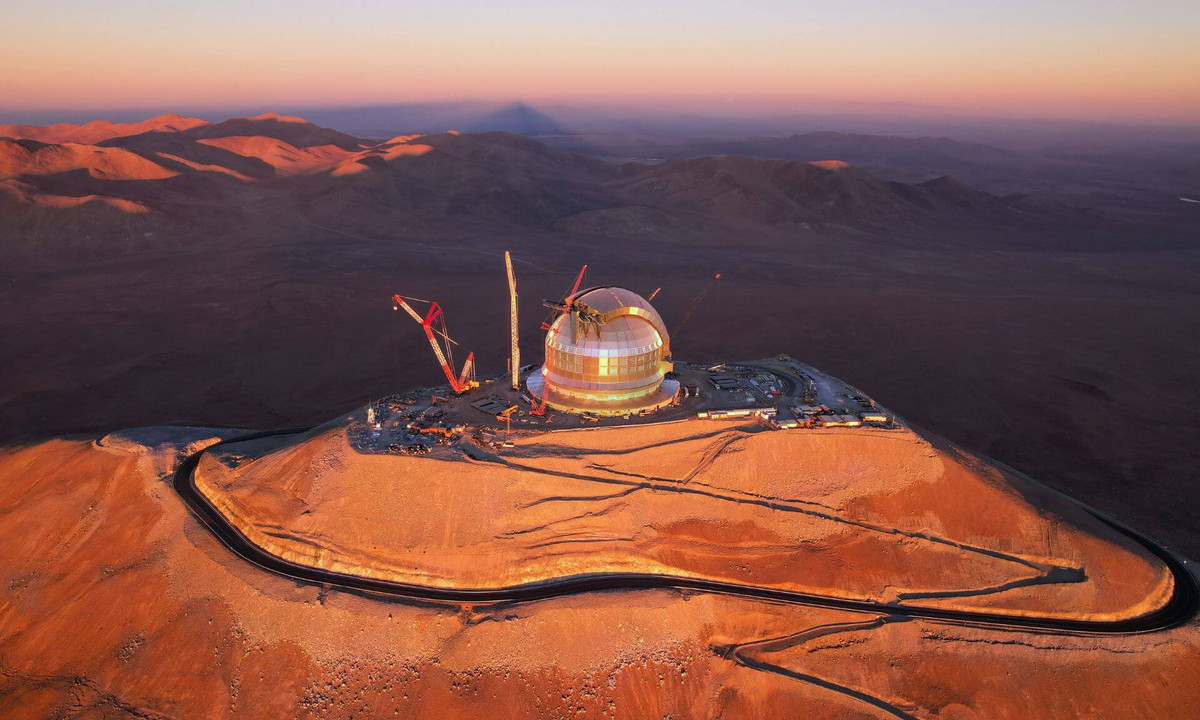
An international team of astronomers, including Trottier Institute of Research on Exoplanets (IREx) and Université de Montréal members Joost Wardenier and Romain Allart, have peered through the atmosphere of a planet beyond the Solar System, mapping its 3D structure for the first time. By combining all four telescope units of the European Southern Observatory’s Very Large Telescope (ESO’s VLT), they found powerful winds carrying chemical elements like iron and titanium, creating intricate weather patterns across the planet’s atmosphere. The discovery opens the door for detailed studies of the chemical makeup and weather of other alien worlds.
“This planet’s atmosphere behaves in ways that challenge our understanding of how weather works — not just on Earth, but on all planets. It feels like something out of science fiction,” says Julia Victoria Seidel, a researcher at the European Southern Observatory (ESO) in Chile and lead author of the study, published today in Nature.
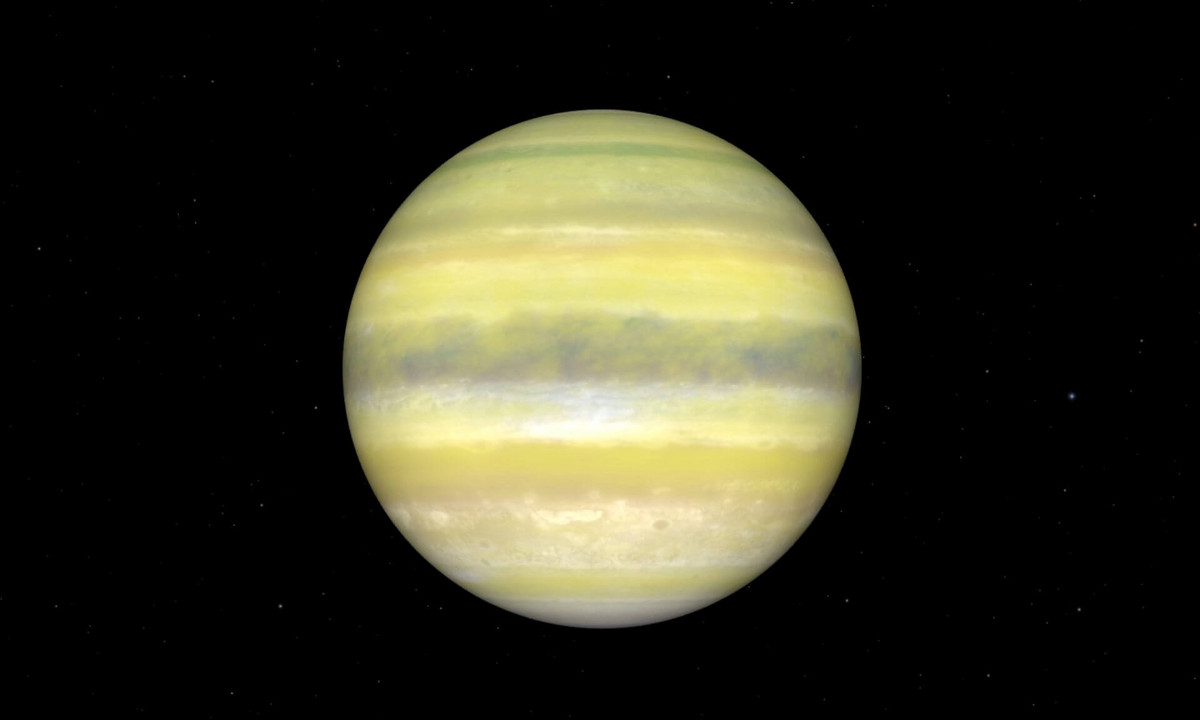
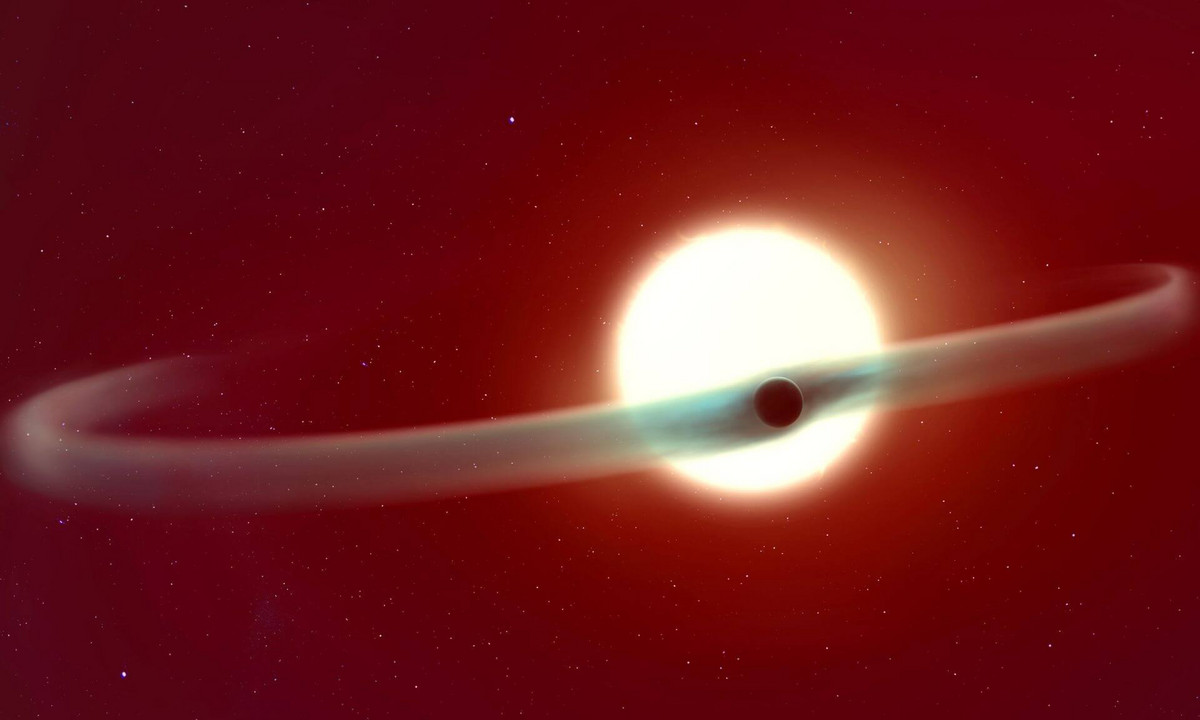
The planet, WASP-121b (also known as Tylos), is some 900 light-years away in the constellation Puppis. It’s an ultra-hot Jupiter, a gas giant orbiting its host star so closely that a year there lasts only about 30 Earth hours. Moreover, one side of the planet is scorching, as it is always facing the star, while the other side is much cooler.
The team has now probed deep inside Tylos’s atmosphere and revealed distinct winds in separate layers, forming a map of the atmosphere’s 3D structure. It’s the first time astronomers have been able to study the atmosphere of a planet outside our Solar System in such depth and detail.