Who do human remains belong to?

The article also discusses issues involving the cultural affiliation of human remains. Should remains be returned only to groups with demonstrated geographic, genetic and cultural affiliations? Challenges arise when remains cannot be culturally identified according to scientific standards, and this hampers communities in their efforts to get them repatriated. This was the case with El Niño.
The process of returning the bones revealed gaps in Canadian and Mexican laws on the repatriation of human remains and drew attention to the codes of ethics and professional conduct that guide practices in bioarchaeology. Institutions will have to work to clarify procedures for this type of repatriation in future, the anthropologists say.
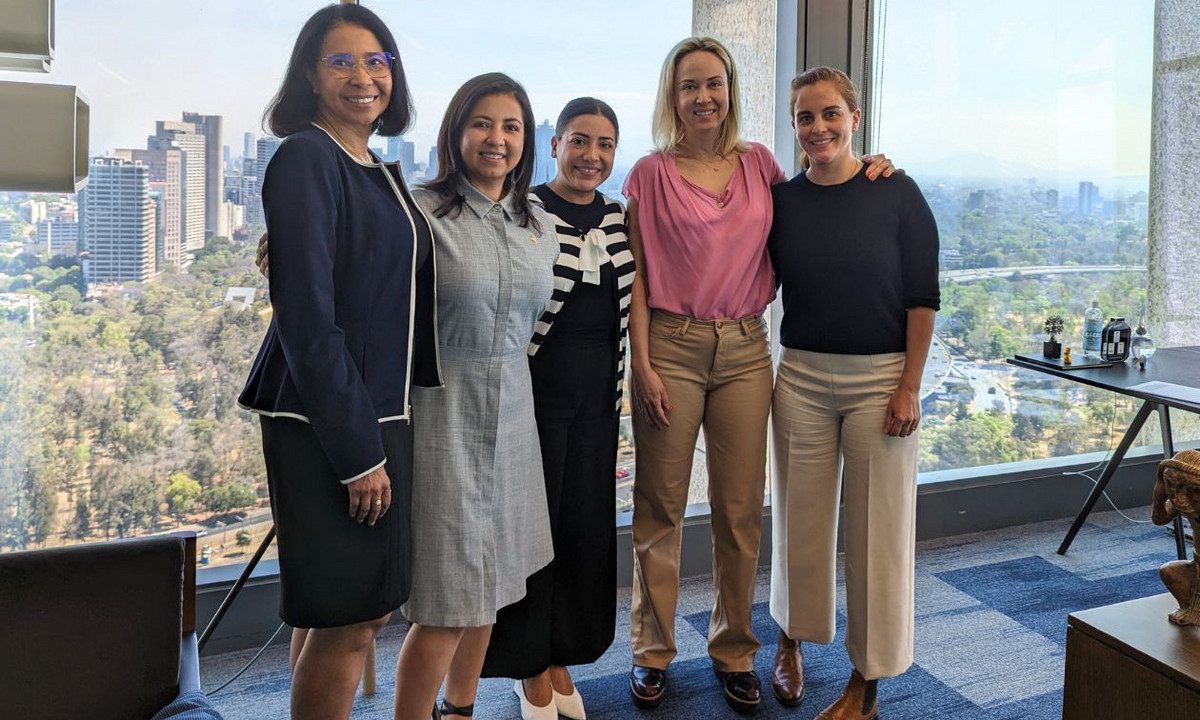
As the Mexican consul noted more than once in December during the handover of El Niño's remains, the adventure of this child who died over 2,000 years ago is not over yet. Mexican scientists plan to study the remains as part of ongoing work in Mexico on the Teotihuacán period. And so, after decades on a shelf, El Niño will help researchers enrich what we know about the people who inhabited the Americas before us.