Large-scale data collection

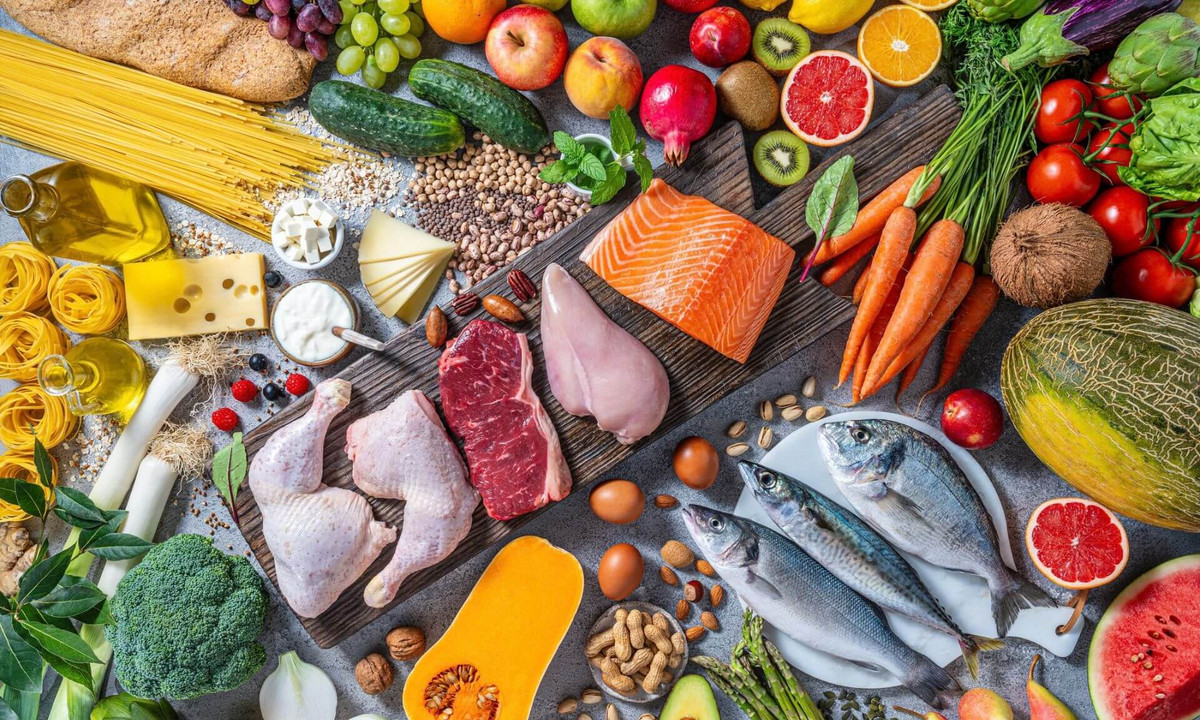
Sauvé’s team began visiting Quebec grocery stores and fast food outlets to collect food samples several months ago and the process will continue through the summer. They’re picking up fish, seafood, meat, dairy products, vegetable proteins, fats, eggs, bread, fruits, vegetables, prepared meals and more.
“We’re looking at a very broad range of foods to see whether there are some that were made with contaminated ingredients or were contaminated in the handling process,” said Sauvé. “We also want to see whether there’s a difference between frozen and fresh products, products wrapped in plastic, organic products, farmed and wild fish, and products from different parts of the world.”
The general picture is not yet clear but the preliminary data suggest that some fish (especially top predators), seafood (particularly filter-feeders) and meats contain higher levels of PFAS. Dairy products appear to have moderate concentrations and plant products very low or barely detectable concentrations.
“We also suspect that liver and other offal accumulate more contaminants, as do ultra-processed foods, since they undergo more handling,” Sauvé added.