The term “incel”—for involuntarily celibate—is most often associated with men, but some women describe a similar experience in online forums, where they use their own codes to express their distress.
Female incels, or “femcels,” feel romantically doomed by society’s perception of their bodies.
Université de Montréal criminology professor Alexandra Zidenberg and Brandon Sparks, a postdoctoral fellow in psychology at the University of New Brunswick, have rigorously documented the femcel phenomenon for the first time.
Their study, published in the journal Personality and Individual Differences, is the first to collect data directly from involuntarily single women instead of simply reviewing online forums.
119 women studied
Zidenberg and Sparks administered the Multidimensional Sexuality Questionnaire, which assesses 12 dimensions of sexual well-being, to 61 women who self-identified as femcel or “forever alone” and 58 single women who did not identify as femcel.
The findings paint a picture of interconnected layers of intense distress among femcels.
The most pronounced difference between the two groups was on the sexual depression dimension—a feeling of sadness or discouragement about romance and sex. Femcels scored an average of 19.2 on a scale of 25, compared with 11.2 for the control group.
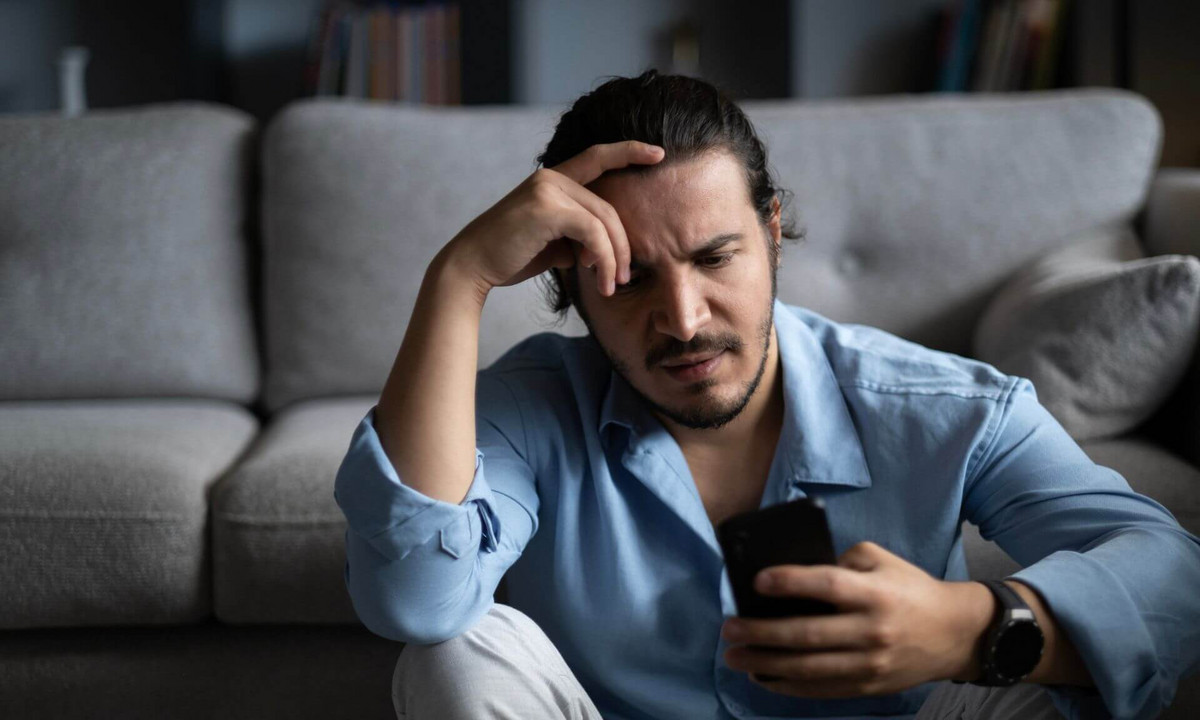
“(Femcels) think about romantic relationships, but not happily,” Zidenberg explained. “There’s more depression, anxiety and negative feelings.”
The study found significant differences in several other dimensions.
Femcels had higher levels of sexual anxiety (17.0 versus 11.8), for instance, largely driven by fear of abuse from potential partners—a fear that, according to the researchers, stems more from apprehension than actual experience.
“In the forums, they talk about sexual violence as a possibility, rarely as a personal experience,” Zidenberg explained. “It’s a fear.”