“The microbial communities living in deeper layers of the ocean might actually be better equipped to transform surface carbon into unique and more stable molecules," said Richard LaBrie, an UdeM graduate student who made the finding in a series of shipboard lab experiments.
"Why? Because these unique microbes are used to live in harsh conditions. The question then becomes whether they could be sequestering carbon in the deep ocean for centuries, helping in the fight against climate change. And the answer is yes."
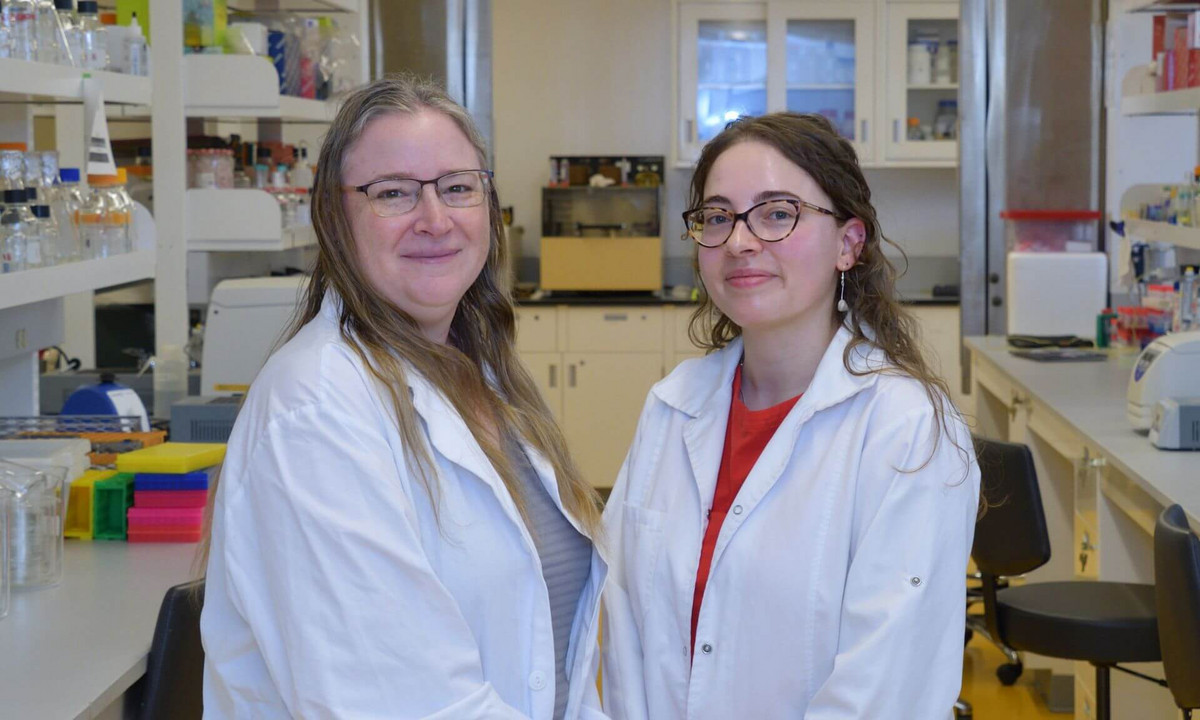
In a study co-authored with his thesis advisor, UdeM biology professor Roxane Maranger, LaBrie's results were published last month in the journal Science Advances. The co-authors are also members of the Interuniversity Group in Limnology.