New fields of research

The interplay between neuroscience and AI has led to the emergence of a new field known as neuroAI. Drawing on biological principles from neuroscience to design AI systems, neuroAI aims to understand human intelligence and develop next-generation AI systems that are more targeted and efficient.
One concrete application is the creation of brain-computer interfaces, devices that use AI to enable the brain’s neural network to communicate with an external device such as a computer, and vice versa.
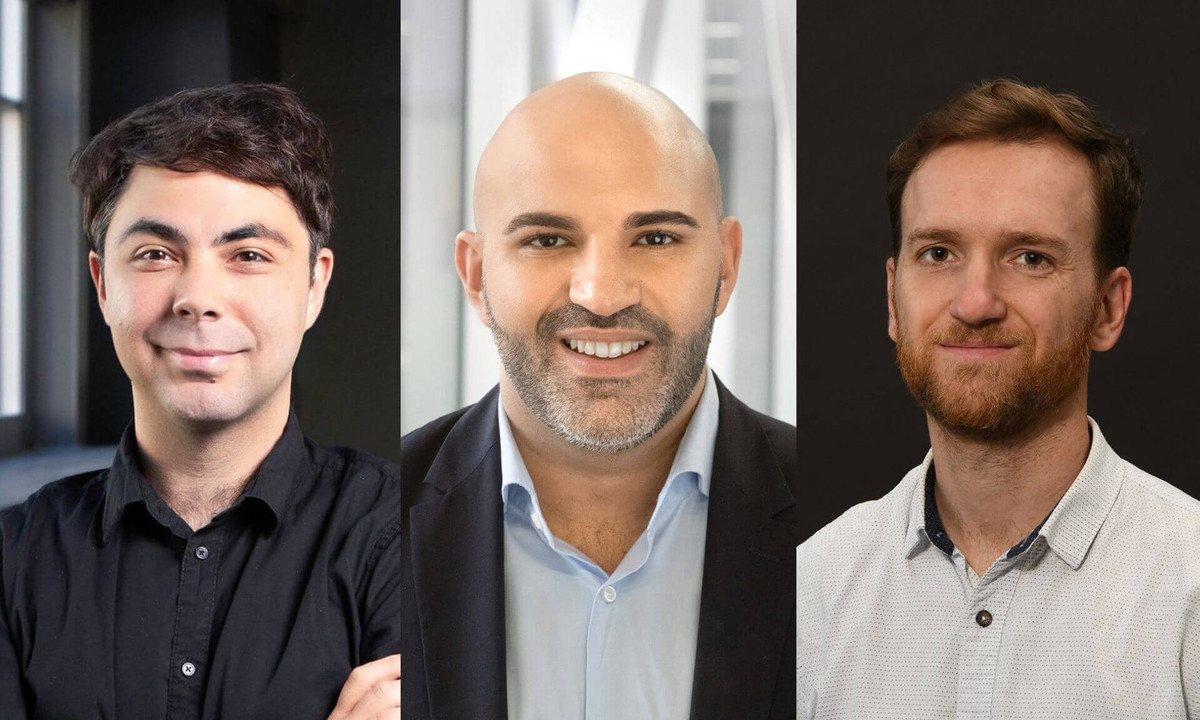
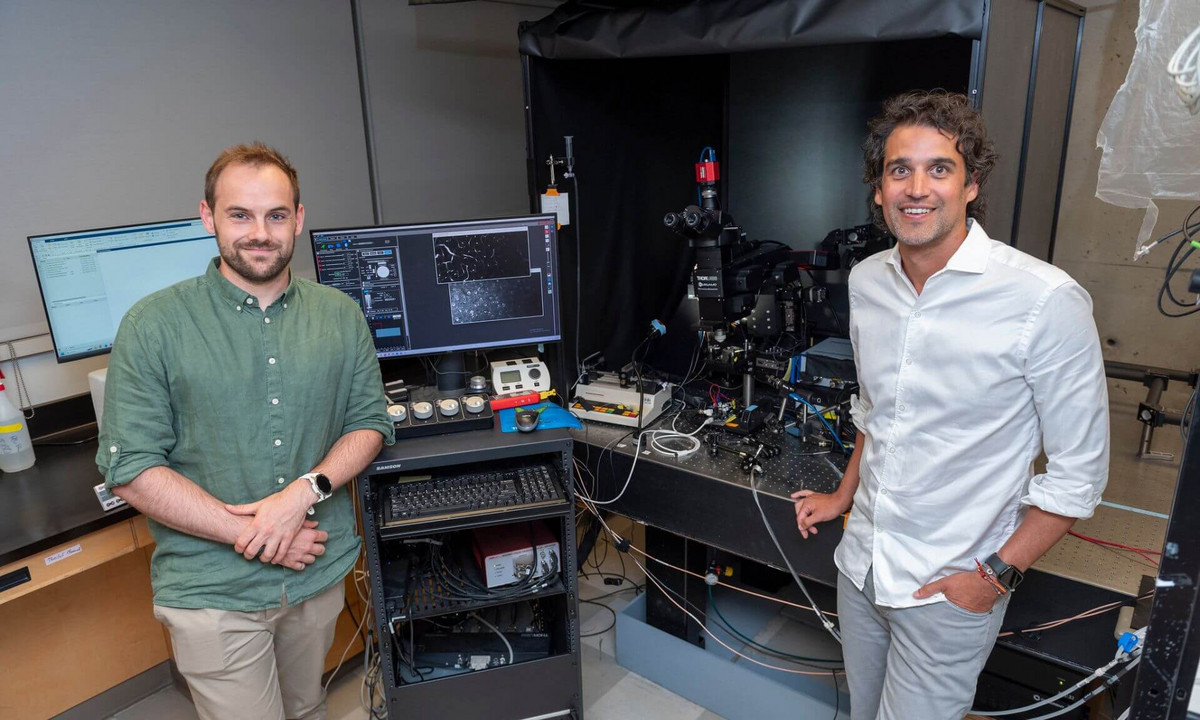
Lajoie and his colleagues Marco Bonizzato, Marina Martinez and Numa Dancause in UdeM’s Department of Neuroscience recently discovered a way to improve the functioning of intelligent neuroprosthetics, devices that restore motor function after a spinal cord injury or stroke.
NeuroAI is also spawning new fields of research such as computational psychiatry, which uses computer tools that leverage large datasets such as a corpus of brain imaging results to improve scientists' understanding of psychiatric and neurological disorders.
Mila researchers Guillaume Dumas of UdeM’s Department of Psychiatry and Addiction and Karim Jerbi of UdeM’s Department of Psychology are both working in this field. Jerbi is using magnetoencephalography, which records electromagnetic activity in the brain, to compare the role of brain oscillations during normal versus pathological functioning.
"Big data tools and AI can help us understand mental health problems and act early to prevent, detect and treat these problems," said Dumas.