Already part of our lives

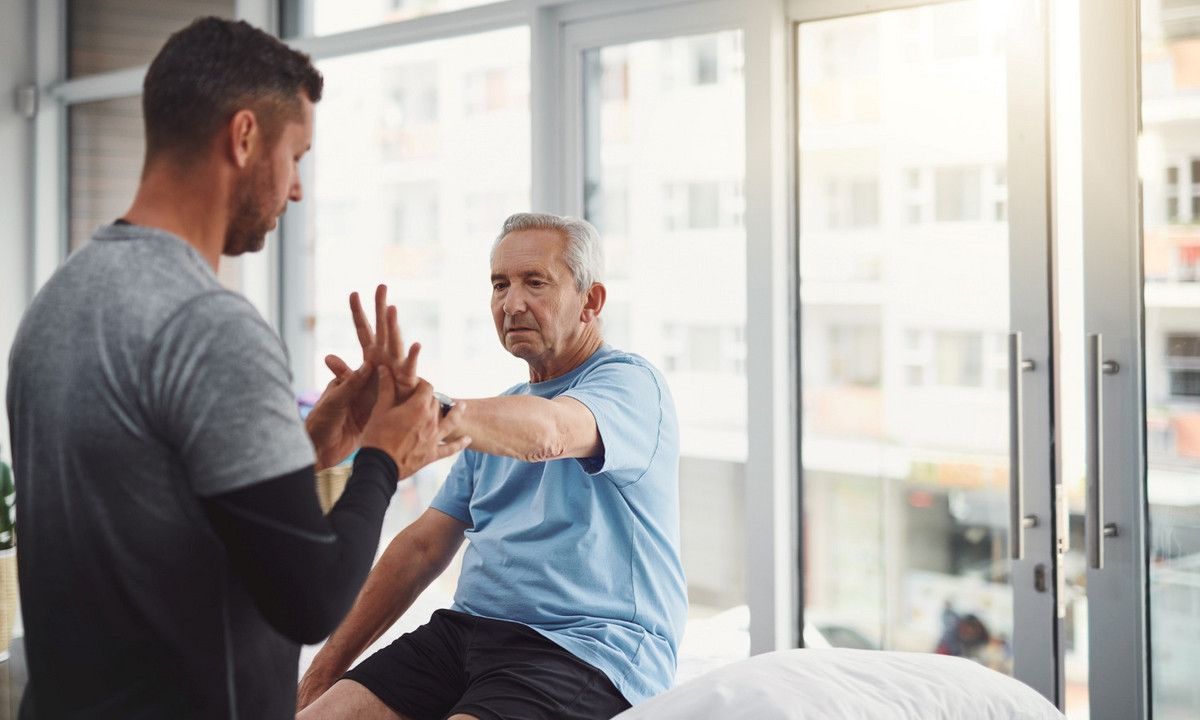
These technologies are already part of our lives and could help people overcome various disabilities in several ways, according to Dahlia Kairy and Joseph Omer Dyer, physiotherapy professors at Université de Montréal's School of Rehabilitation.
They believe that ChatGPT's voice-command feature could make it easier for people with mobility or sensory impairments to communicate and access information. Individuals recovering from a brain injury or stroke could also use these technologies’ vocal and linguistic abilities to have a conversation.
According to Dyer, ChatGPT could be used for to plan agendas, book appointmens and figure out when different kinds of medication should be taken. Similarly, Kairy thinks ChatGPT could suggest exercises that suit each patient's unique needs (socioeconomic situation, age, and physical, mental and neurological condition) and explain how and why they should be performed.
“In short, patients could use ChatGPT to free them from some of the restrictions imposed by their condition, as well as to find information they need,” said Dyer. “But anyone who uses this software needs to think critically, in addition to understanding the nitty-gritty of how it works and any risks it may pose.”