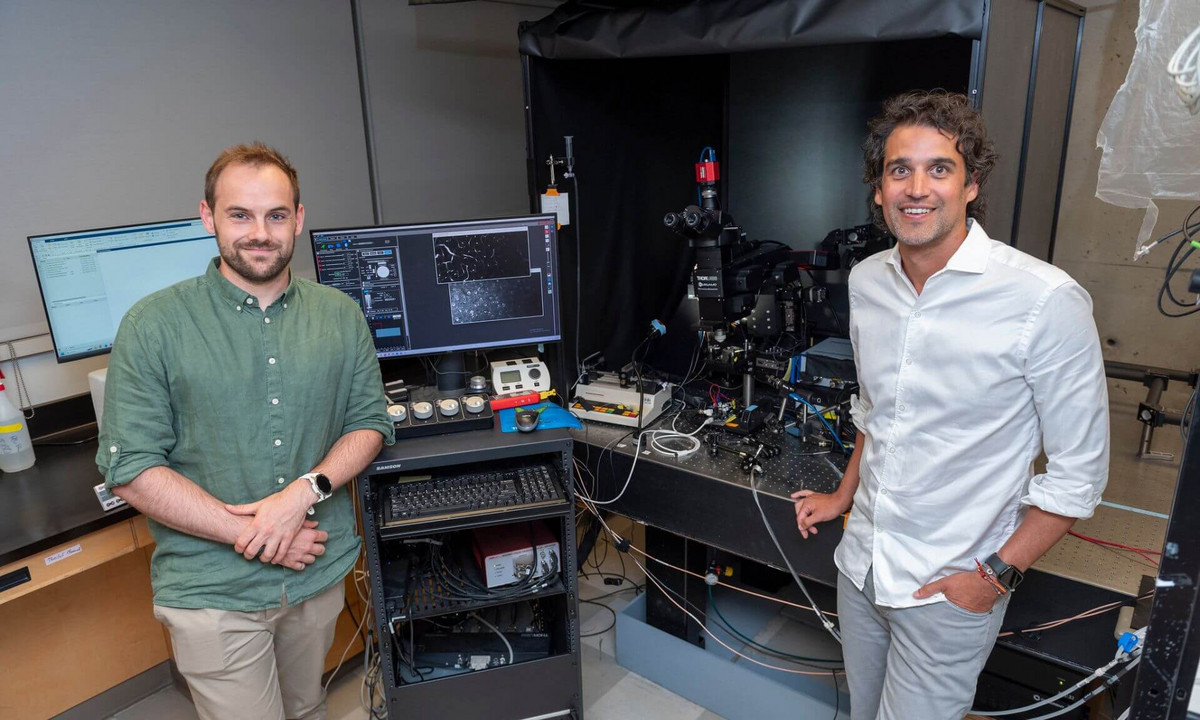
Scientists at Université de Montréal and its affiliated Montreal Clinical Research Institute (IRCM) have uncovered unique roles for a protein complex in the structural organization and function of brain cell connectivity, as well as in specific cognitive behaviors.
The work by a team led by Hideto Takahashi, director of the IRCM’s synapse development and plasticity research unit, in collaboration with Steven Connor’s team at York University and Masanori Tachikawa’s team at Japan’s Tokushima University is published in The EMBO Journal.
Although defects in synapse organization are linked to many neuropsychiatric conditions, the mechanisms responsible for this organization are poorly understood. The new study’s findings could provide valuable therapeutic insights, the researchers believe.
Two goals are important to bear in mind with this research, said Takahashi, an associate research medical professor in molecular biology and neuroscience at UdeM.
“One is to uncover novel molecular mechanisms for brain cell communication,” he said. “The other is to develop a new unique animal model of anxiety disorders displaying panic disorder- and agoraphobia-like behaviors, which helps us develop new therapeutic strategies.”