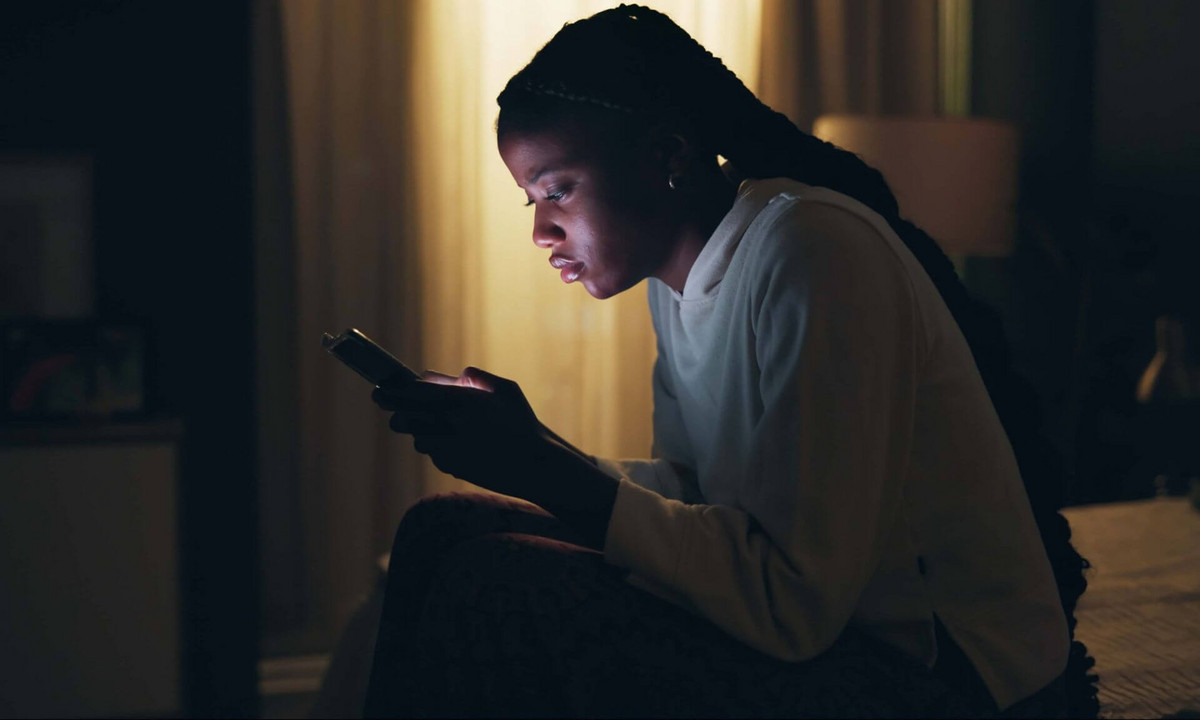
From jealousy to dissatisfaction
The results showed that social media jealousy was associated with increased electronic surveillance of one's partner and lower satisfaction with the relationship one year later.
Interestingly, electronic surveillance itself—monitoring a partner’s posts, friend lists and likes—was not directly linked to lower satisfaction in the relationship. The key corrosive factor appears to be the jealousy aroused by the partner’s online content.
“Our hypothesis is that mistrust and insecurity creep into the relationship based on what we see—or think we see—on social media,” said Daspe. “This then colours how people rate their relationship and how satisfied they are with it.”
The researchers also looked at the personality traits that might make some social-media users more susceptible to online jealousy. Previous studies have shown that people with greater attachment anxiety—who are more fearful of losing their partner—are more prone to jealousy.
However, this study found no correlation between attachment anxiety and jealousy one year later.
This suggests that social media-related jealousy may stem less from individual traits and more from the online environment, which peppers users with out-of-context information, the researchers say.
Young adults are more vulnerable
While people of all ages can experience social-media jealousy and the associated decline in relationship satisfaction, Daspe believes young adults are particularly vulnerable.
For one thing, they are the heaviest users of social media. For another, this is the stage of life at which people typically form their first serious romantic relationships, which may involve commitment and living together.
“They are still developing their relationship skills,” said Daspe. “This is an important time for learning to manage conflicts and relationship difficulties in a healthy way, and social media adds additional challenges.”
Not all bad
Does this mean people should renounce social media? Not necessarily, Daspe said. She believes the solution lies in awareness and communication.
“If you know that exposure to content about your partner makes you jealous, it’s important to be mindful of your online behaviour,” she advised.
“Be aware when you start monitoring, snooping and imagining things. Above all, it’s important to talk about it with your partner, rather than falling into a cycle of spying, mistrust and suspicion that is likely to damage the relationship.”
Taking a step back, recognizing and naming one’s insecurities, and checking directly with the other person to get the desired reassurance are effective ways to avoid falling into this cycle," she said.
It's also important to realize that social media aren’t just a threat to a relationship, she added. Studies have shown that social-media use can be associated with stronger emotional bonding and higher relationship satisfaction when partners share content, show affection and interact positively online.
“But we don’t have many longitudinal studies that measure the benefits over the long-term,” Daspe cautioned. “Does a successful relationship lead to positive online behaviour, or does positive online behaviour help make the relationship successful?”