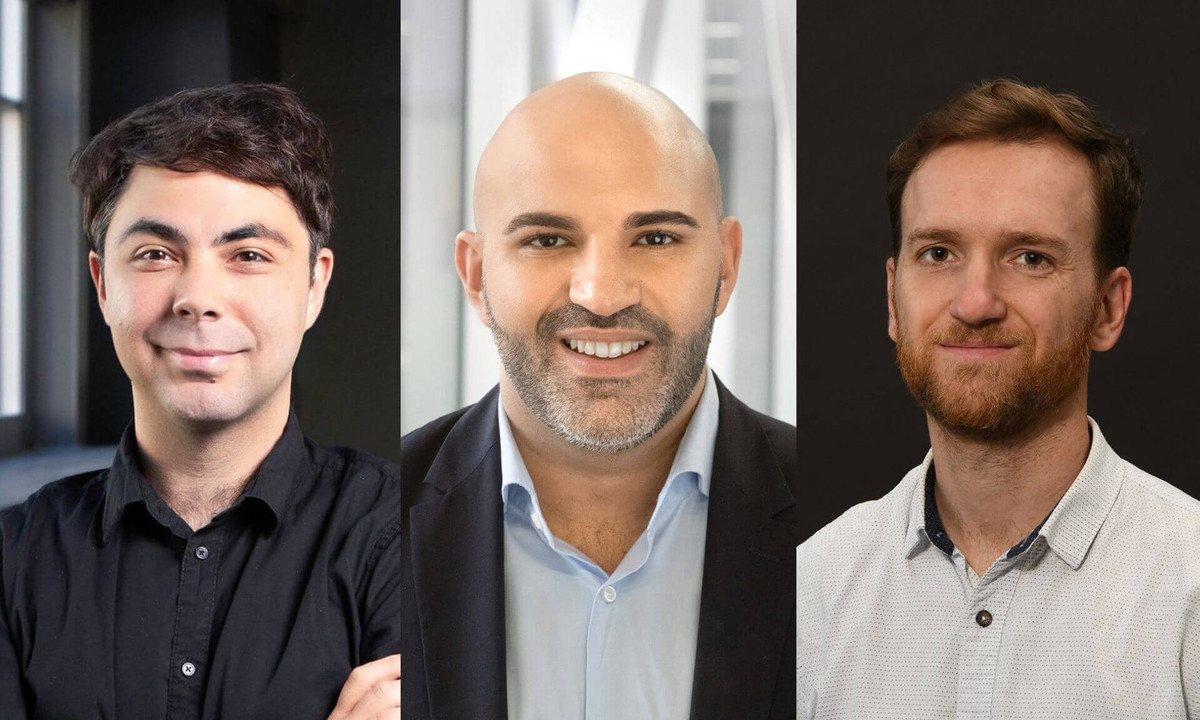
“Transplanting stem cells is like planting a seed that will grow into a huge tree with a thick trunk, branches, leaves, flowers and fruit,” says hematologist Imran Ahmad, describing the transformative power of allogeneic (donor) stem-cell transplantation.
The University Institute of Hemato-Oncology and Cellular Therapy (IHOT) at Maisonneuve-Rosemont Hospital (HMR) has internationally recognized expertise in this complex, life-saving procedure, for which it has a dedicated care pavilion with 36 highly specialized isolation rooms.
In addition to his role as an associate clinical professor at Université de Montréal's Faculty of Medicine, Ahmad oversees HMR’s stem cell transplant program—officially the Hematopoietic Stem Cell Transplantation and Cellular Therapy Program—along with its associated clinical research unit.
“We collect stem cells from a healthy donor via apheresis, a technique that centrifuges the blood to extract the stem cells," he explains. "We then administer them to the recipient through a catheter, much like a transfusion. The cells then migrate to the bone marrow and gradually rebuild a new blood and immune system.”
These transplants are performed to treat a wide range of very complex diseases, including blood and lymphatic cancers (e.g., leukemias and lymphomas), myelodysplastic syndromes, myeloproliferative neoplasms, and certain genetic and immune disorders such as sickle cell anemia.
“Even though they are immature, stem cells have the ability to regenerate and produce all three types of blood cells—red blood cells, platelets and white blood cells," Ahmad explains. "In short, we can wipe out a diseased immune system and rebuild a new one."