Understanding how metformin works

In 5 seconds UdeM researchers reveal that the anti-diabetes drug targets ATP5I, a small subunit of the enzyme that produces adenosine triphosphate, the energy-carrying molecule found in the cells of living things.
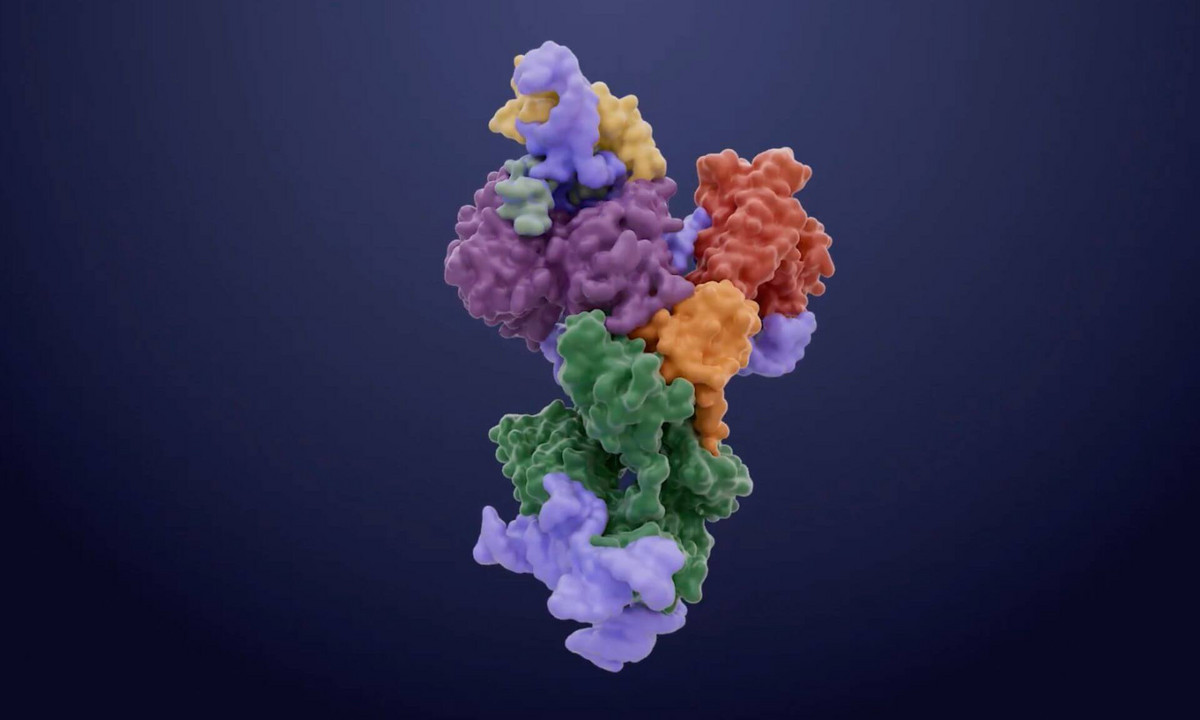
A 3d rendering of metformin, a small molecule, is actively transported into the mitochondria. There, it targets F1F0 ATP synthase and inhibits the electron transport chain, inhibiting ATP production.

Scientists at Université de Montréal have figured out how metformin — a common drug that's used to treat type-2 diabetes and that may cut the risk of developing cancer and even help humans and other mammals live longer — actually works.

It turns out that metformin directly targets ATP5I, a small subunit of the enzyme that produces adenosine triphosphate (ATP), the energy-carrying molecule found in the cells of all living things, the UdeM researchers have found. 

Published in late April, the UdeM study reveals the crucial role played by ATP5I — and points the way to further scientific enquiry, the scientists say.

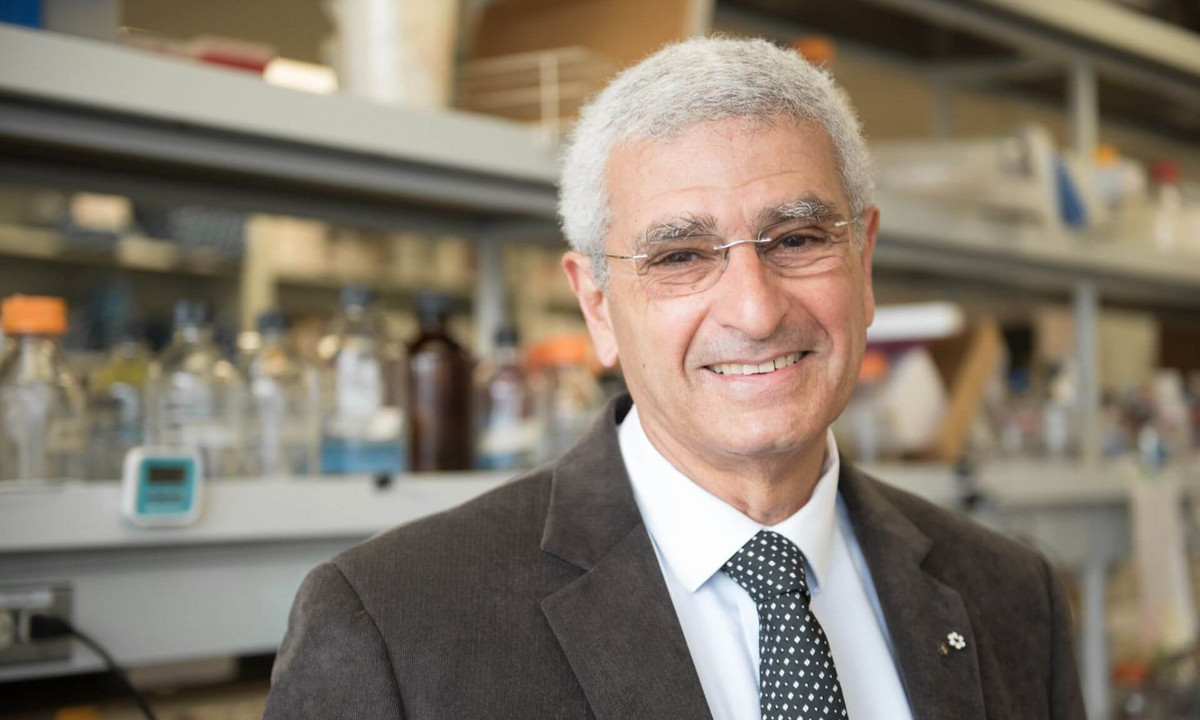
"As often happens in research, this discovery gives us more questions than answers,” said senior author Gerardo Ferbeyre, an UdeM biochemistry professor and principal scientist at the CRCHUM, the university’s affiliated teaching hospital research centre.

"We have opened a Pandora’s box, and we will be very busy discovering where it leads us."

Used for decades

Metformin has been used for decades to treat type-2 diabetes. Epidemiological studies have also suggested that it may reduce cancer risk, and animal studies have linked it to increased lifespan. Yet until now, scientists didn't know how this remarkable medication actually works.

In their study, Ferbeyre and his UdeM colleagues, chemistry professor Andreea Schmitzer and pharmacy professor Simon-Pierre Gravel (also principal Investigator at UdeM's Institute for Research in Immunology and Cancer), identify ATP5I as a new direct target of metformin.

ATP5I is part of the F1Fo-ATP synthase, the essential mitochondrial enzyme responsible for producing ATP, the cell’s main energy currency. ATP5I does not drive the catalytic activity of ATP synthase itself, but appears to contribute to the enzyme’s assembly and organization.

That hypothesis was put to the test by the UdeM team led by doctoral student Guillaume Lefrançois, the study's first author.

In a series of experiments, they generated cell models that lacked ATP5I and found that these cells became resistant to metformin. But when ATP5I was restored, sensitivity to the drug returned.

This discovery opens a new window into how metformin may influence energy metabolism, cancer biology, aging, and diabetes, the scientists say.

New questions raised

It also raises important new questions: how does binding to ATP5I translate into the broad beneficial effects attributed to metformin? Could this mechanism help explain its possible roles in cancer prevention or lifespan extension?

“This is proof that major discoveries arise at the boundaries between disciplines," said Schmitzer.

"By combining our expertise in bioorganic chemistry with the biological and metabolic insights of Ferbeyre and Gravel, we were able to observe the invisible: how a molecule like metformin does more than simply block a function, it influences the very architecture of the cell’s energy machinery." 

Added Gravel: "It is fascinating that a compound known for over a century, metformin, has yet to reveal all its secrets. This research not only sheds light on the mechanisms of action of this pleiotropic agent, but also opens the door to new therapeutic strategies targeting ATP5I, a target that remains equally enigmatic."

Media requests

Université de Montréal
Phone: 514-343-6111, ext. 75930