Strengthening support for immigrant parents

In 5 seconds Psychoeducation professor Sarah Dufour has secured $1.1 million in funding over three years for her cross-sector partnership, the Centre for Parenting, Immigration and Culture (CPIC).
One of the program's main goals is to prevent family problems among newcomers to Quebec.

A social programme led by Université de Montréal is expanding with the creation of the Centre for Parenting, Immigration and Culture (CPIC), described as “an intersectoral partnership to strengthen preventive support for immigrant parents and their children.”

The programme aims to promote parenting skills and prevent family difficulties among newcomers to Quebec. Its expansion is made possible by a $785,000 grant from the provincial government, running until 2029.

Added to this is $315,000 contributed by the project’s seven partners, including the cities of Montréal and Laval, bringing the total to $1.1 million.

The Quebec government grant to psychoeducation professor Sarah Dufour is one of 11 grants totalling $6.3 million awarded by the Ministry of Economy, Innovation and Energy (MEIE). These grants follow a call for social innovation projects launched in spring 2025.

At UdeM, the new funding will support the expansion and long-term sustainability of the Espace Parents programme, founded by Dufour in 2016, which received $1.2 million from the Public Health Agency of Canada between 2022 and 2026 to tackle domestic violence.

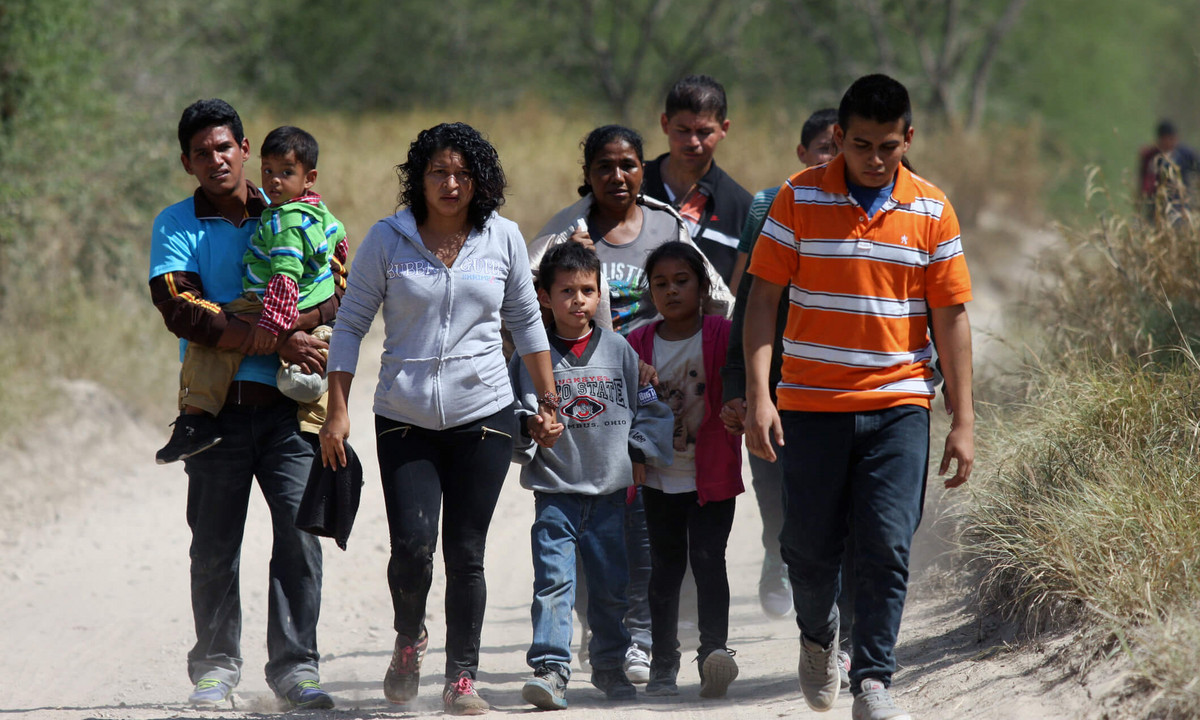
Operating in nearly 70 community organizations across Quebec, Espace Parents offers nine workshops to immigrant parents, often isolated in their host society, who wish to better understand how Quebec institutions work and are ready to share their experiences.

During the sessions, mothers and fathers discuss topics as varied as children’s independence and self-expression, as well as the challenge of growing up in multiple cultures. Strategies for disciplining children in a positive manner are also covered.

To date, nearly 3,000 immigrant families have taken part in the workshops. Over 350 practitioners have been trained to lead them since the programme began.

Another key component of the CPIC, Espace Intervenants, supports community practitioners who work with immigrant families by strengthening their intercultural skills and their ability to network.

'A new phase'

"Thanks to funding from the MEIE, the project is now entering a new phase of strategic development," said Dufour. "Our objective is clear: to consolidate the progress made where the programmes are already in place and to expand their reach into new communities, for the benefit of immigrant families across all regions of Quebec.’

In practical terms, the project aims to strengthen the capacity of community organizations to deliver high-quality interventions, to develop a provincial model for the roll-out and governance of Espace Parents, and to promote better integration with existing services within local family support networks.

The CPIC also plans sustained awareness-raising and engagement initiatives with funders, public decision-makers and organization managers to bring about a lasting improvement in the social response to the realities faced by immigrant families, by finding sustainable funding solutions for Espace Parents and Espace Intervenants.

“By focusing on prevention and capacity building, our centre helps to reduce vulnerabilities, improve families’ social integration and ease the pressure on specialist services, particularly those of the Direction de la protection de la jeunesse (DPJ),” said Dufour.

“The public-health data speak for themselves: every dollar invested in prevention could save between $10 and $100 in healthcare costs over the long term The value of psychosocial prevention is certainly no less significant, given the costs of psychosocial services such as the DPJ and the state of the network, where resources are no longer sufficient."


A range of partners

In collaboration with a cross-sector steering committee, Sarah Dufour provides scientific and strategic leadership for the CPIC, involving an extensive network of seven partners.

These include:

  • the City of Montreal
  • the Regional Public Health Directorate of the CIUSSS Centre-Sud-de-l’Ile-de-Montréal
  • the City of Laval and the Public Health Directorate of the CISSS de Laval
  • the University Institute for Youth in Difficulty of the CIUSSS Centre-Sud-de-l’Ile-de-Montréal
  • Accueil aux immigrants de l’Est de Montréal (AIEM)
  • Centre d’appui aux communautés immigrantes (CACI)
  • Applied and Interdisciplinary Research on Intimate, Family and Structural Violence (RAIV)

More immigrant families

  • In Quebec in 2016, 84 per cent of immigrant families lived either in Montreal (59%), Montérégie (13%) or Laval (12%), according to the Ministry of Families.
  • Since 2023, other regions have seen population growth due to international migration, with rates ranging from 0.3 to 1.8 per cent, according to the Institut de la statistique du Québec.

Media requests

Université de Montréal
Phone: 514-343-6111, ext. 75930