Université de Montréal epidemiologist Vikki Ho has been awarded a $2-million grant over five years to study how environmental and other factors contribute to the onset of colorectal cancer.
A public-health professor who does her research at the UdeM-affiliated CHUM Research Centre (CRCHUM), Ho got the financing as part of the Canadian Institutes of Health Research (CIHR) and Cancer Research Society Team Grants program 'Bringing Biology to Cancer Prevention.'
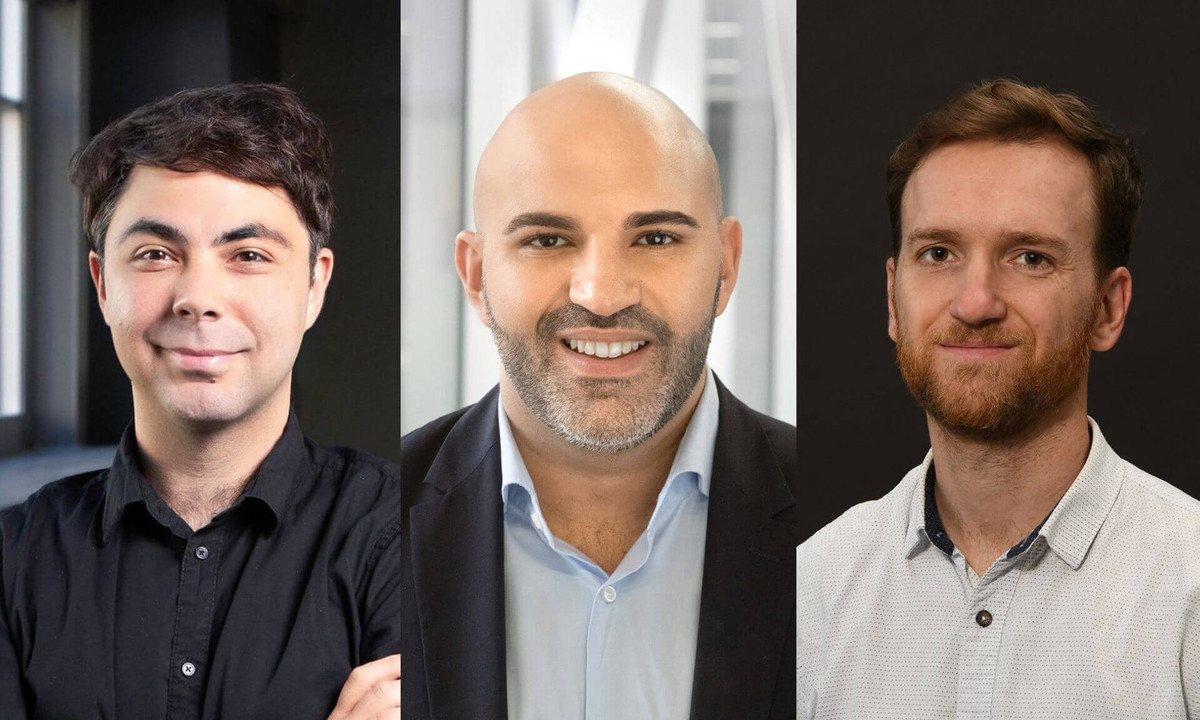
Her project – “Environmental eXposure Profiling for Signatures of Early ColoRectal Cancer (EXPOSE‑CRC)” – is co-led by UdeM biostatistician Bouchra Nasri, UdeM gastroenterology researcher Daniel von Rentel, and Université de Sherbrooke immunologist Lee‑Hwa Tai.
The project's first component takes a so-called exposome approach, looking at all the environmental factors – including chemical, physical, biological, lifestyle and psychological stressors – that a person experiences throughout their lifetime. It aims to identify individual or combined risk factors that are modifiable and that predict a future diagnosis of colorectal cancer.
To explore those aspects, the interdisciplinary team – which includes public health scientists, molecular biologists, clinician researchers and patient partners – will draw on the Canadian Partnership for Tomorrow's Health (CanPath), an ongoing study that gathers data on the lifestyle, health and environmental exposures of hundreds of thousands of Canadians.
Also exploring biological changes
The second component of the project – in collaboration with an interdisciplinary team including researchers from Université de Sherbrooke, McGill University and the McGill-affiliated Lady Davis Institute for Medical Research, an arm of the Jewish General Hospital – explores the initial biological changes associated with the modifiable factors targeted in the first component.
In this research, human colonic organoids—small 3D structures derived from biopsies of patients undergoing a screening colonoscopy—will be exposed to the identified risk factors. This model will enable the team to monitor how these exposures influence the early stages of cellular transformation at the molecular level.
Finally, Ho and her colleagues hope to establish a cohort of patients being screened via colonoscopies at the CHUM to gauge exposures and to measure genetic, epigenetic and microbial markers in normal-appearing colonic tissue. The goal is to examine the influence of individual or combined risk factors on a set of biomarkers in tissue samples to see whether the biomarkers predict the presence of precancerous polyps.
“These goals combine the strengths of both population health and molecular biology research, moving beyond the current paradigm in which these fields work separately, said Ho, a professor in the Department of Social and Preventive Medicine at UdeM's School of Public Health. "Our results will guide and prioritize future public health strategies aimed at reducing the burden of colorectal cancer.”