At the Physical Activity and Health Lab at CEPSUM, UdeM’s sports complex, 18 university students watched a 30-minute documentary, took a university-style test on its content, and then headed to an all-you-can-eat buffet with about 30 different foods.
Each participant completed this sequence three times, in random order, under three different film-watching conditions: seated, light-intensity cycling and moderate-intensity cycling.
The researchers designed the study and formulated their hypotheses based on the science of chrono-exercise, which postulates that our physiological response to exercise varies depending on the timing of the exercise. It’s a field that Mathieu and her lab have been exploring for years.
“Studies show that for about 30 minutes following moderate or high-intensity exercise, appetite is often suppressed due to the temporary inhibition of ghrelin, the hormone that stimulates hunger,” explained Dupont. “We therefore expected the participants to eat less following moderate-intensity cycling.”
However, this hypothesis was not borne out by the results: cycling at moderate intensity did not reduce the total amount of food consumed at the buffet following the task. Those who cycled ate roughly the same amount overall as those who sat.
However, when the exercise was very light, the students tended to eat about 20 per cent less.
To explain these results, the researchers considered another factor that impacts appetite: stress.
“Mentally demanding tasks are known to raise cortisol, a stress hormone that can disrupt satiety signals and increase appetite,” Dupont said. “We found that participants reported greater satisfaction with their performance after low-intensity cycling, which would suggest lower stress and therefore better appetite regulation.”
Craving for sugary drinks
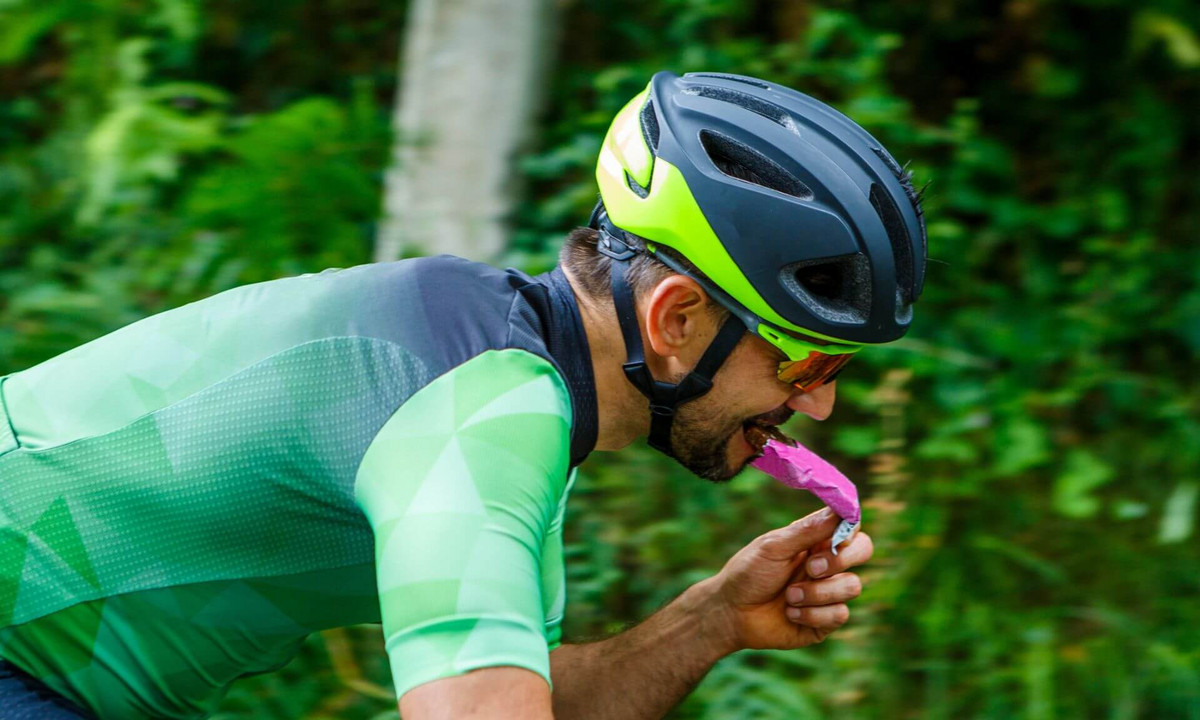
Perhaps the most striking finding is that even though the participants did not eat more food in any of the three conditions, moderate-intensity cycling was associated with drinking more sugary beverages, while water consumption remained the same regardless of whether the students were seated or cycling.
After moderate- or high-intensity exercise, the brain seeks to quickly replenish its energy stores, Dupont explained. Carbohydrates, especially in the form of liquid sugars, provide a fast-acting source of energy.
“Our finding is very relevant to university settings, where sugary and energy drinks are readily available in vending machines,” said Dupont. “It suggests that the food environment can amplify a temporary physiological vulnerability.” He noted that these beverages pose health risks.
Although their study found no evidence of it, the researchers are not ruling out the possibility that moderate-intensity cycling could increase food intake afterward.
Dupont suggested that the time between exercise and the buffet may have been too long to observe this effect, since research indicates a 30-minute window for increased sensitivity to hunger and satiety signals.
“It’s also possible that the combined stress of moderate-intensity cycling and the cognitive task triggered the preference for sugary drinks,” Dupont said.
Not just willpower
Dupont emphasized that both this study and his previous research confirm the benefits of cycling desks. In his view, breaking up long periods of sitting several times a day is clearly good for health. However, it’s also important to consider the intensity of the physical activity involved.
“Low intensity cycling seems preferable for learning and appetite regulation,” he said. “Higher intensity cycling may be appropriate for managing anxiety or general well-being, but it should probably be avoided during cognitive tasks.”
The new study also has implications for the food environment in universities. “It would be better if the most accessible option were a water fountain rather than a vending machine stocked with sugary drinks,” Dupont suggested.
It’s an important reminder that food choices depend not only on willpower but also our body’s physiology and our surroundings.