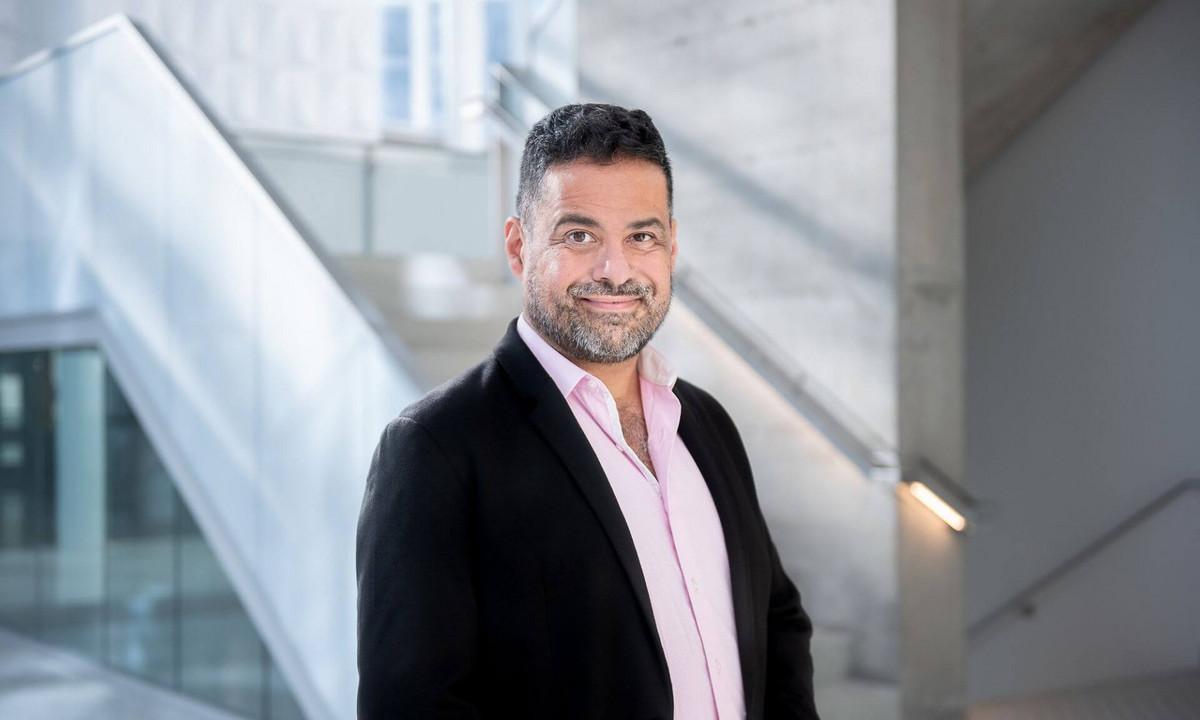
The world is more dangerous today than it was in 2020, when Bob Rae arrived in New York to represent Canada at the United Nations. Yet the former diplomat refuses to give in to fear.
“As they say in Quebec, il ne faut pas lâcher (we mustn’t give up),” said Rae, who on May 1 will become chair of the advisory board of Université de Montréal’s Centre for International Studies (CÉRIUM).
War in the Middle East, Russia’s invasion of Ukraine, crises in Sudan and Haiti: armed conflicts have broken out all over since the end of the Second World War – and in record numbers, according to several international observatories.
“We need people willing to conduct rigorous research to influence global policy and improve the human condition,” said Rae, whose five-year mandate as Canada's ambassador to the UN ended last November.
Known for his outspoken advocacy, Bob Rae pushed for deep reform of the UN before leaving office. He also served as president of the UN's Economic and Social Council in 2024 and 2025, urging member states to meet their financial commitments.
The New York-based organization is facing a severe budget crisis. Its secretary-general, António Guterres, has even warned of a potential collapse, notably due to cuts in funding by the administration of U.S. president Donald Trump.
Refugees on his radar
The funding crisis will play a large role in what Rae considers one of the greatest challenges of the coming decade: the plight of displaced persons and refugees across the globe.
Wars, climate change and economic inequalities will force millions more into exile in the coming years, Rae predicted. There are already nearly 120 million displaced people worldwide, according to the UN Refugee Agency.
“The world is not yet prepared to welcome as many refugees and immigrants as would be needed,” Rae said.
Before becoming ambassador, Bob Rae served as the prime minister of Canada’s special envoy to Myanmar. In a report titled “Tell Them We Are Human,” he recommended a number of actions be taken there to improve the plight of the stateless Rohingya people.
He later expanded his role as the prime minister's special envoy for humanitarian and refugee issues globally, contributing to a coordinated international response to forced displacement.
No room for pessimism
“I remain hopeful — it's my duty," Rae said. "I won’t succeed in promoting more open and humane policies by being pessimistic."
His optimism is partly rooted in his long-standing ties to academia.
From a young age, Rae stood out as a very bright student. With a B.A. in modern history from the University of Toronto (UofT), he went on as a Rhodes scholar to do a master's degree in politics at the University of Oxford.
Rae was elected premier of Ontario in 1990, serving until 1995, and was interim leader of the Liberal Party of Canada from 2011 to 2013. He is now a distinguished fellow at UofT's Munk School of Global Affairs and Public Policy, and a Matthews faculty fellow at Queen’s University's School of Policy Studies.
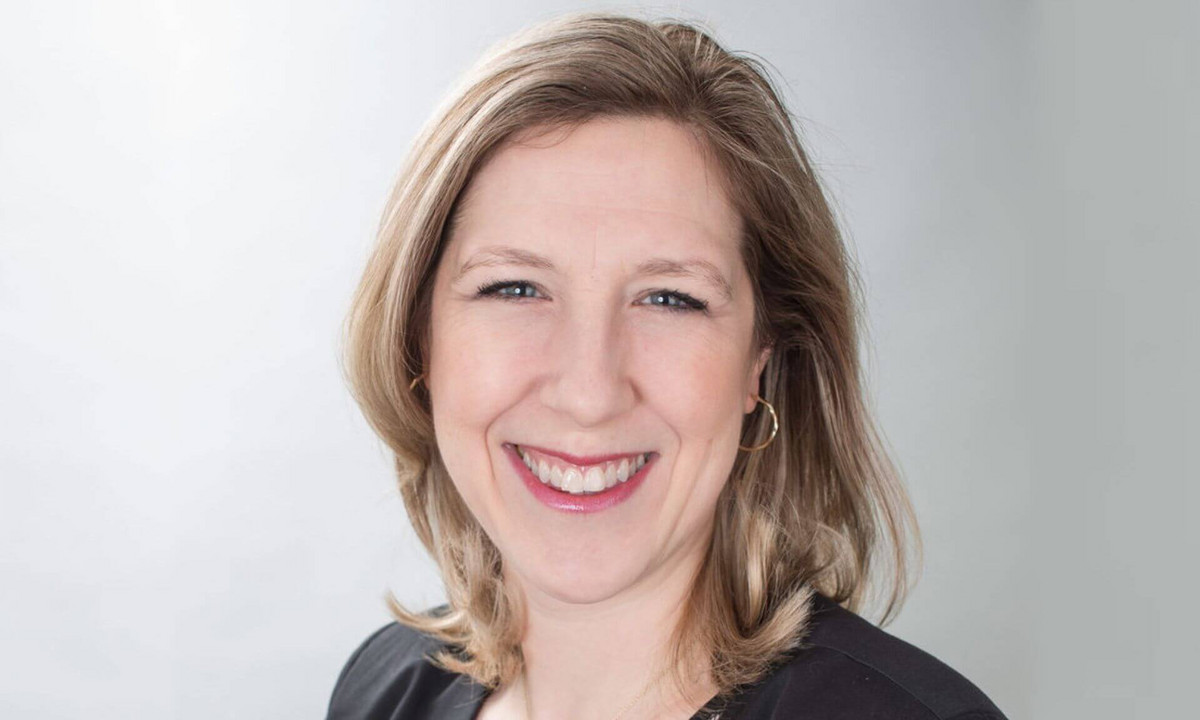
Welcoming Rae to UdeM, CÉRIUM scientific director Laurence Deschamps-Laporte said the Centre "is privileged to benefit from the leadership of such a seasoned diplomat and experienced political leader.
"In Bob Rae, it is difficult to imagine someone better placed to help guide the strategy of our institution and strengthen our outreach beyond the university, to the general public."