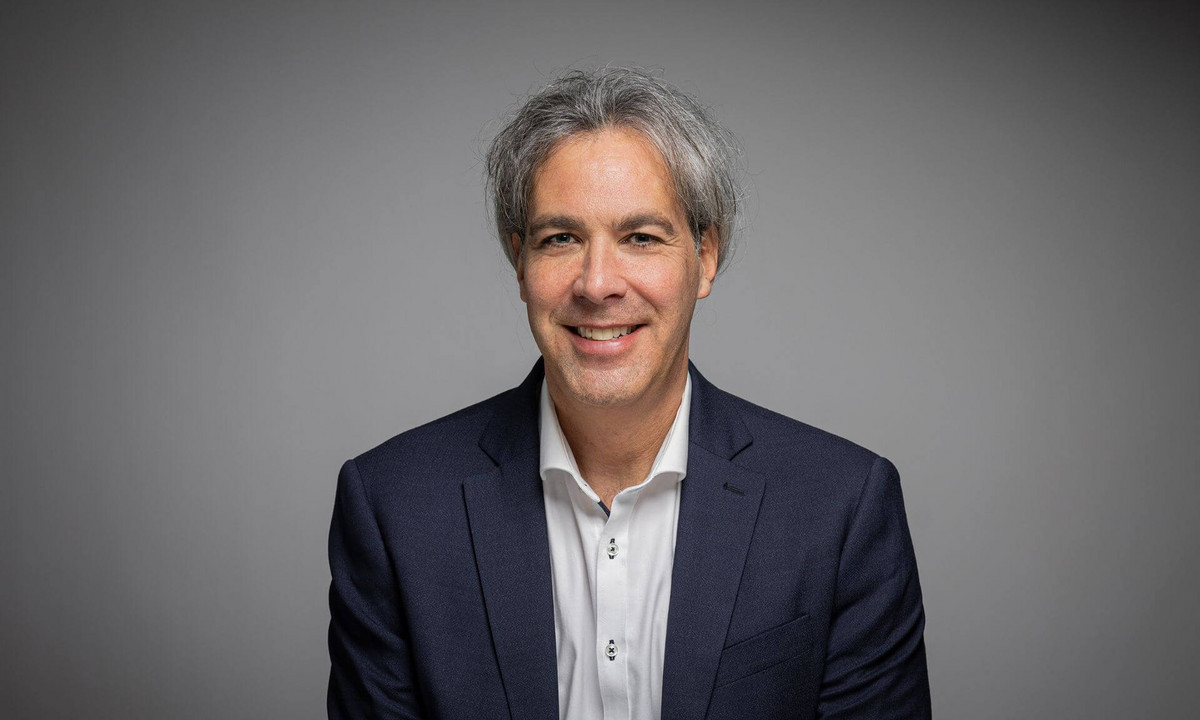
"We're going through tough times now in international law – in every aspect," says Hervé Agbodjan Prince, holder of Université de Montréal's Chair in Governance and International Trade Law.
"For a long time, I believed that within the broad field of international public law, because of trade, economic and financial sanctions mechanisms, economic law was less exposed to the errors and failings of states.
“But current events and the geopolitical upheavals underway under the American presidency of Donald Trump demonstrate the opposite. It is now international law as a whole that has been weakened and called into question.”
This challenge cannot be reduced to the indiscriminate imposition of American customs tariffs, Prince believes.
"It is part of a broader context marked by Russian aggression in Ukraine, Israeli massacres in Gaza that have gone unpunished, and the international community's inability to denounce them with the vigour and consistency that respect for the law would require," he said.
"But in the specific field of international economic law, it must be recognized that the imposition and then unilateral withdrawal of customs duties, in defiance of the rules of the World Trade Organization, points to a gradual erosion, even a decline, of this legal order.’
One example: since his first presidency, Trump has stopped nominating judges to the WTO's appeals division, bringing the process of mediating trade international trade disputes to a halt due to a simple lack of quorum.
Faced with issues like that, "the question we face in economic law is this: what legal instruments can be mobilized or reinvented to ensure that states comply with the rules and to guarantee a degree of predictability and stability in international economic relations?
"Because the fact is, we can't evolve in a world without laws."