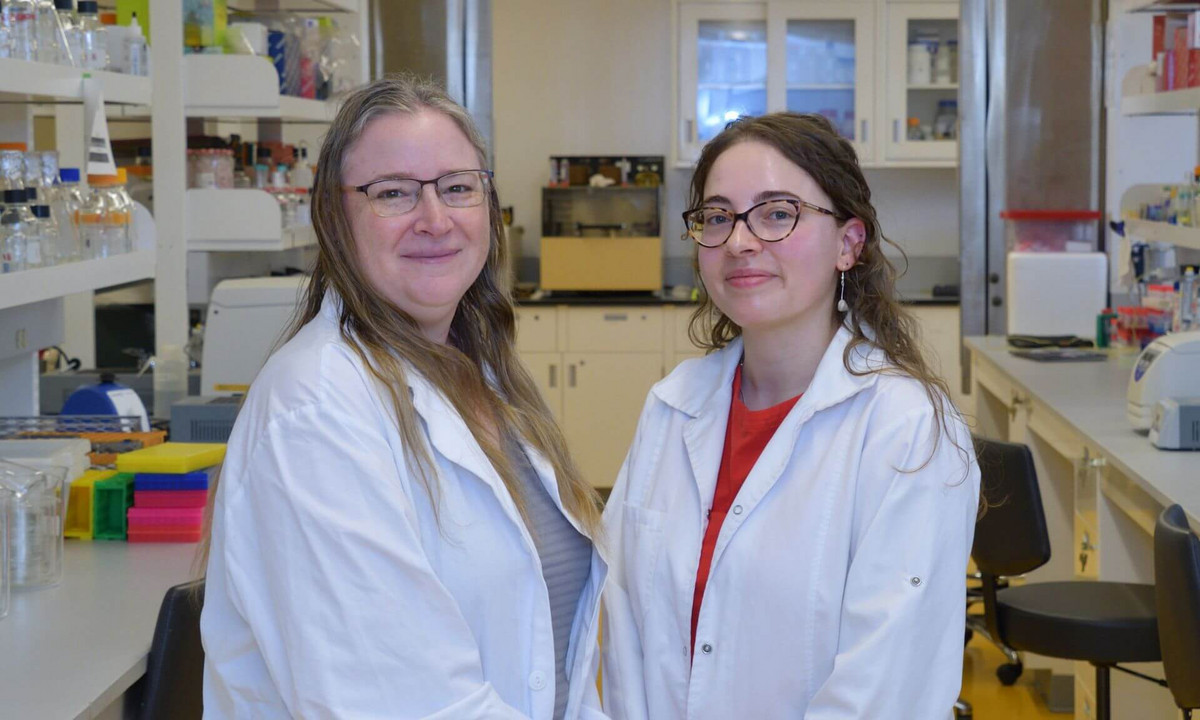
For the study, 27 workers, with a median age of 45 and an average of 35 hours per week spent inside the barns, completed a respiratory health questionnaire. A majority reported occasional symptoms such as stuffy nose or mild cough, even though 96 per cent said they wore respiratory protection. No one reported chronic bronchitis or emphysema among their pre-existing conditions.
“Protective equipment is most effective when worn at all times during exposure to ammonia and other particles,” Gaucher stressed. During the field visits—conducted exclusively in Quebec—the researchers observed that the equipment was not always worn constantly. She cautioned that this finding may not apply across Canada, as no on-site observations were made in other provinces.
Veterinary examination of the birds found no eye or respiratory conditions, despite the ammonia exposure. “Breeding chickens are vaccinated adults, so they are less vulnerable to respiratory conditions than chicks would be in the same environment,” Gaucher explained.
Approximately 30 per cent of the birds had footpad lesions, mostly mild. The researchers concluded that the environmental stress to which the breeders were subject was moderate, especially considering that they were much older than the broiler chickens typically studied. In the vast majority of facilities visited, the behaviour of the birds indicated that they were comfortable.
Targeted tweaks, not an overhaul
Gaucher does not believe these results call current farming practices into question, but they do offer a first quantitative benchmark to guide targeted adjustments. “We now have data that show what could be done,” she said. “Before, we didn’t know.”
The study, conducted with support from Canadian Hatching Egg Producers, was designed to gather evidence for better management, not to raise alarms.
One possible adjustment would be to better coordinate ventilation, humidity control and litter management across seasons, particularly in the colder months when the trade-off with heating is an issue. In the meantime, consistently wearing personal protective equipment remains the most immediate recommendation to reduce respiratory risks for workers.
The research team plans further research on strategies tailored to the Canadian context, with longitudinal monitoring of the effects of environmental improvements on workers and birds.