A gateway ... and a trap
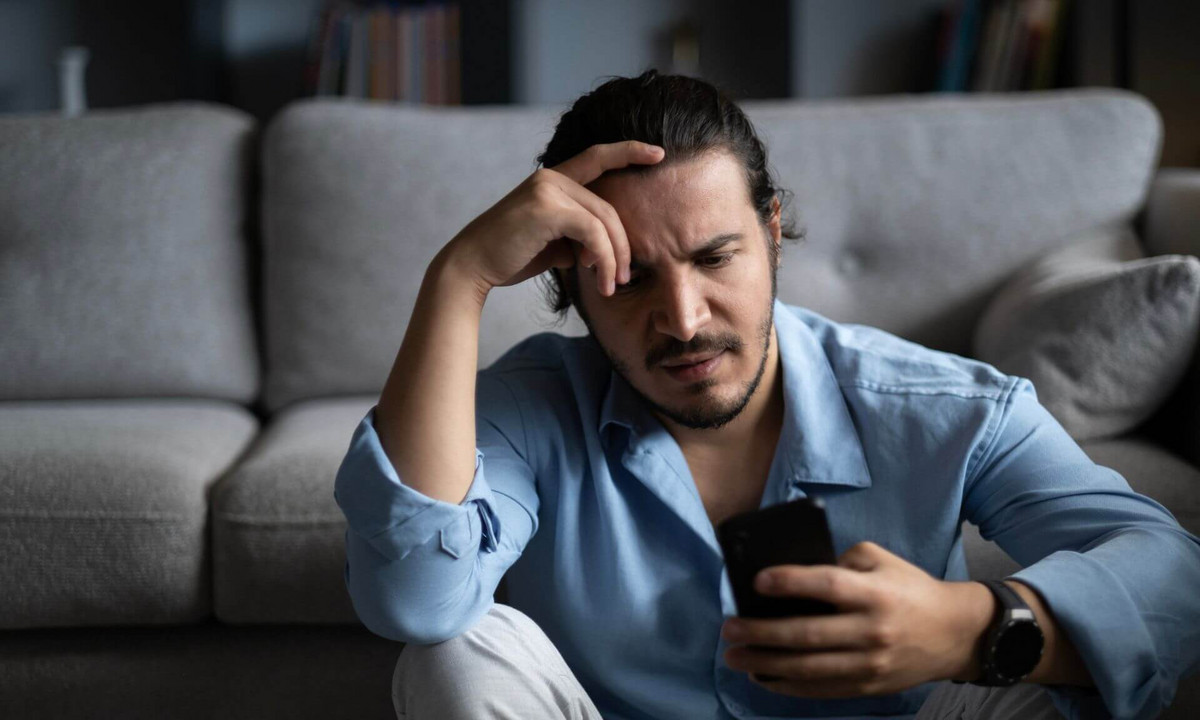
When people gamble to escape, it can become a gateway to another world, a bubble where the tensions of daily life can be temporarily forgotten.
“Escapism isn’t a trivial motivation,” said Bőthe, a researcher at Quebec's Interdisciplinary Research Centre on Intimate Relationship Problems and Sexual Abuse. “It is a form of self-medication. Like alcohol and other high-risk behaviours, it provides emotional relief.”
Gambling can bring respite and even a feeling of joy—in the short term. But in the long term, it becomes a trap. “If gambling is the only thing that makes a person feel better, it can eventually become compulsive,” Bőthe said.
It is therefore important to investigate a person’s motives when treating gambling addiction, she added. “If escapism and managing negative emotions emerge as the main reasons for gambling, you have to offer alternative strategies to break the vicious circle."
For example, approaches such as mindfulness and cognitive behavioural therapy can help individuals recognize and regulate their emotions, she said.
Social gambling not always less addictive
While escapism seems to be a pivotal factor in the development of problem behaviours, social gambling—playing games of chance with friends and family for fun or socializing—may have the opposite effect, making the development of problem gambling less likely, according to Bőthe.
However, the evidence is unclear. While some studies have found that gambling with friends reduces the risk of addiction (excesses are limited by the social context), others have found that peers can encourage risky behaviours, especially if the group values risk-taking and high stakes.
“We need to further refine the way we measure social motives,” Bőthe said.